2026 UN WATER CONFERENCE | VIRTUAL SIDE EVENT
Sustainable Access to Safe Water
for Coastal Communities in Bangladesh
Ensuring sustainable access to safe water to protect the lives and livelihoods of climate-vulnerable coastal communities in Bangladesh.
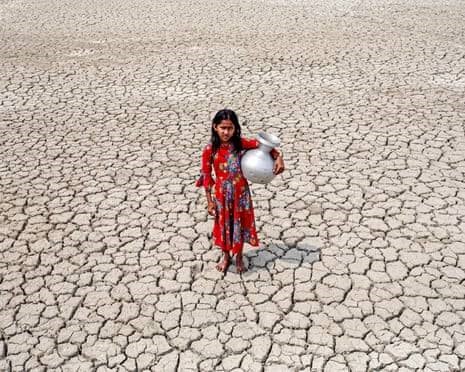
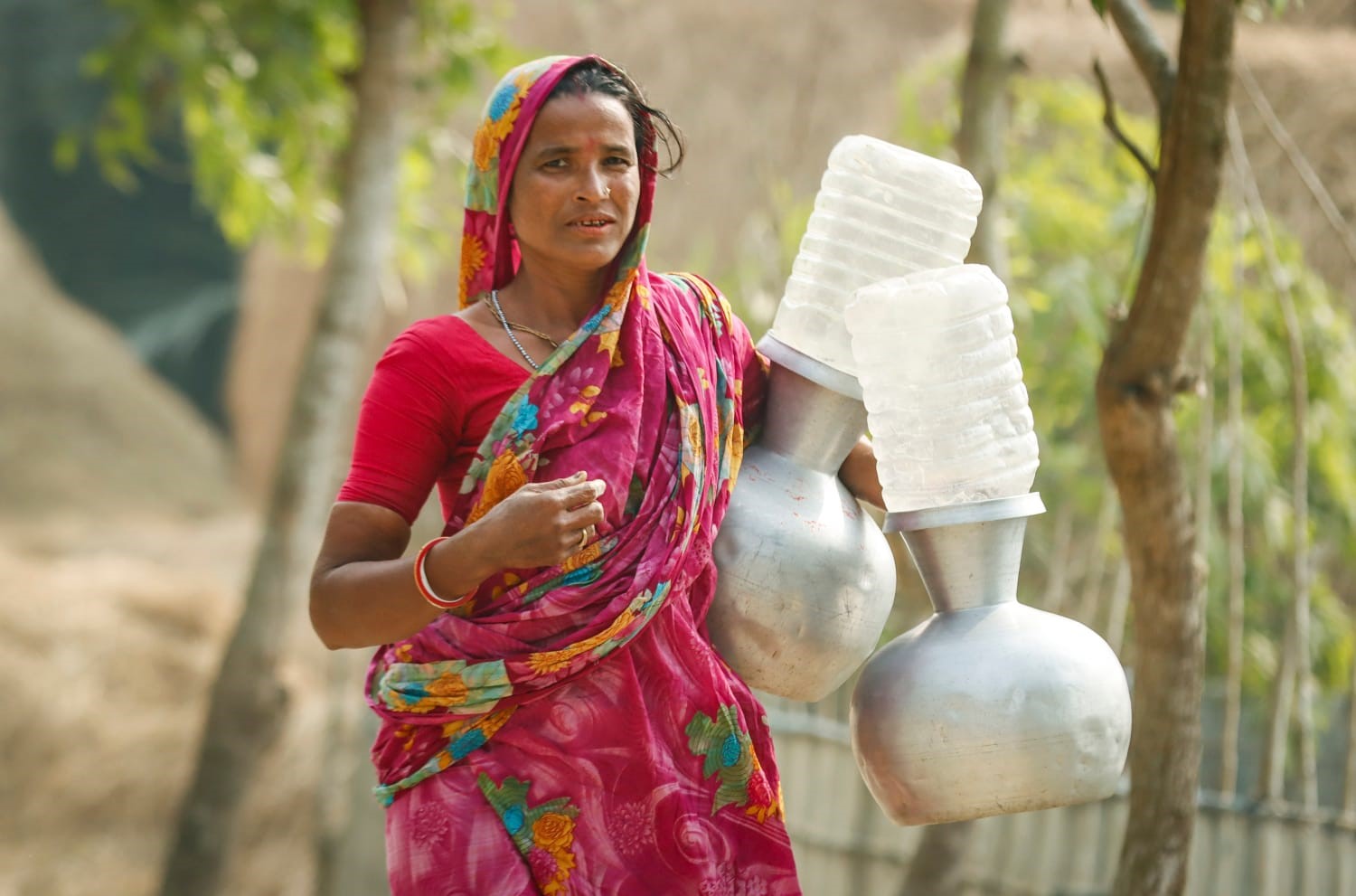
A practical conversation on how community led approaches can help deliver safe, affordable, reliable and sustainable water services in climate-vulnerable coastal communities.
The Challenge
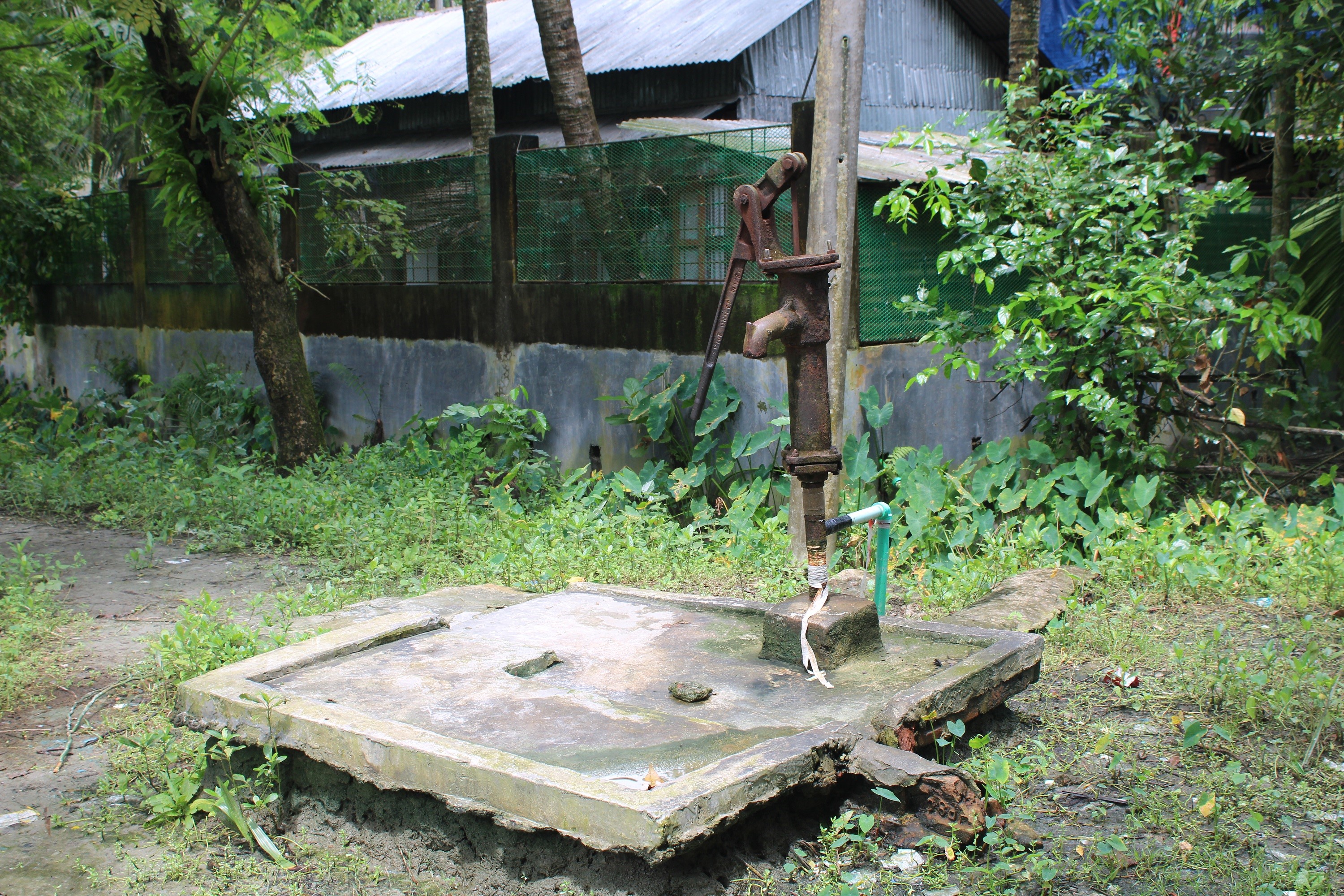
Coastal communities in Bangladesh face persistent barriers to safe drinking water, including salinity intrusion, climate-related hazards, seasonal shortages and gaps in reliable water services. Women and children often carry the greatest burden of collecting water, as well negative impact on WASH.
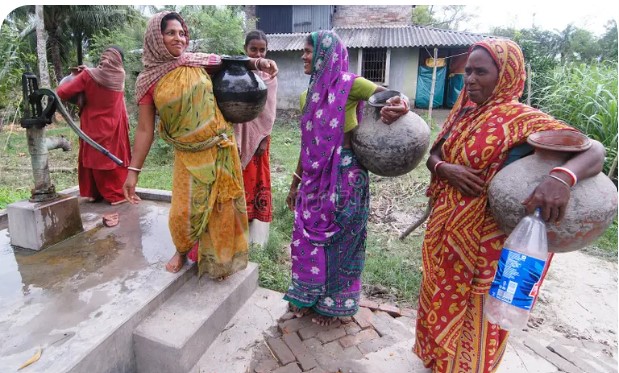
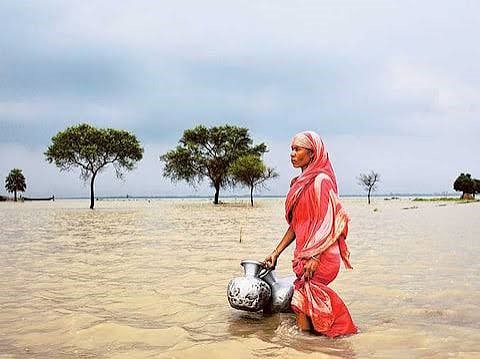
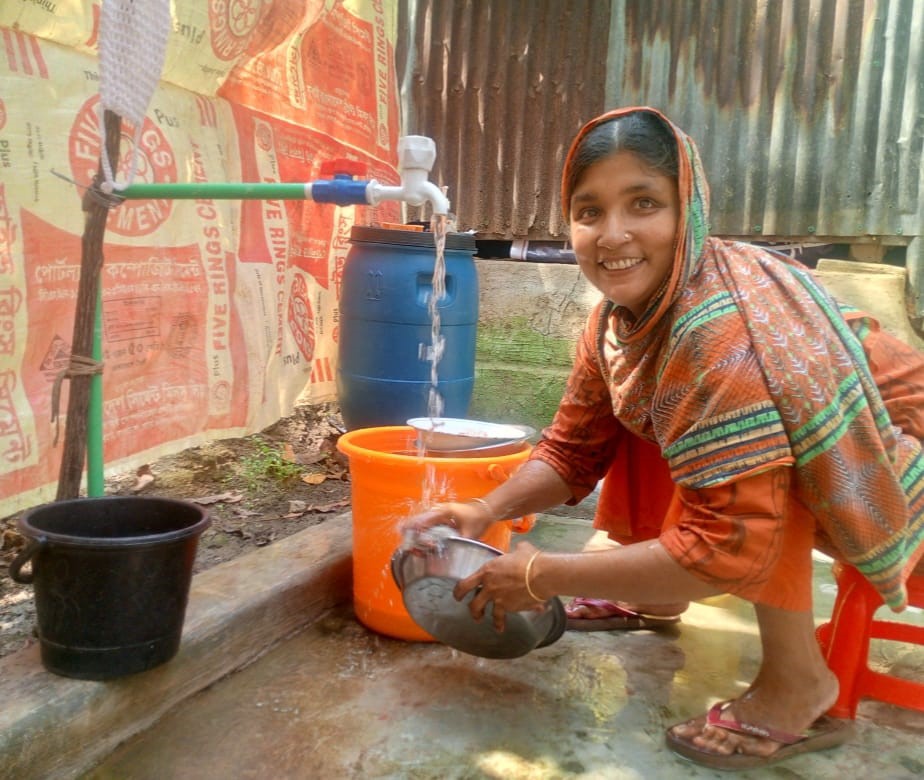
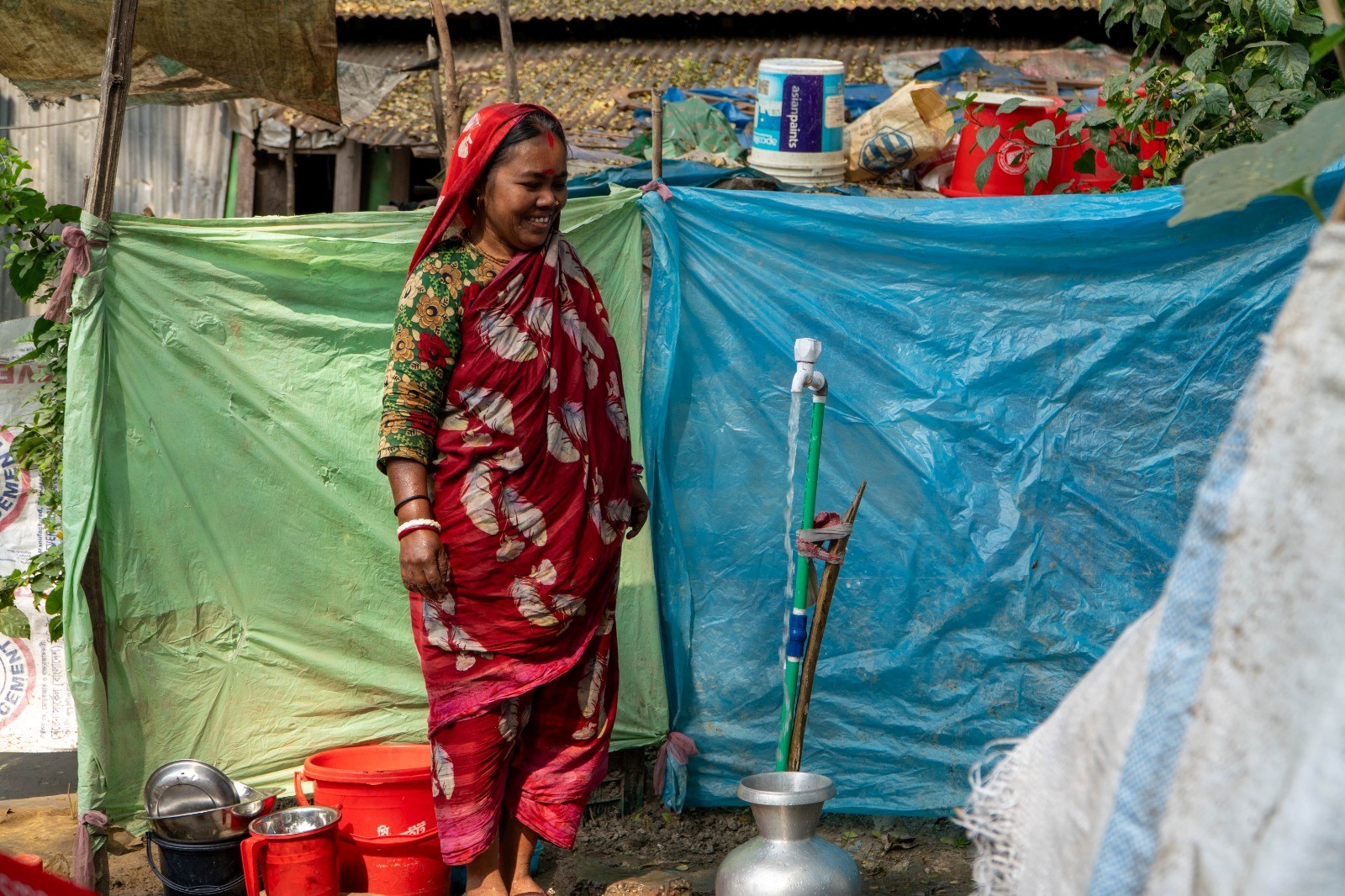
Community members accessing water in coastal Bangladesh.
About the event
This event explores a community-led social business model that treats rural households as customers and partners. It considers how a clear social mission can work alongside responsible business practices to provide safe water at an affordable price, support reliable operations, and reinvest in service quality.
Bangladesh’s Water Progress: Progress Made, Gaps Remain
The 2025 WHO/UNICEF Joint Monitoring Programme (JMP) report shows strong progress in basic drinking water access, but significant gaps remain in safely managed services and water quality.
AT LEAST BASIC
DRINKING WATER
171.5 million people have at least basic drinking water services.
SAFELY MANAGED
DRINKING WATER
Coverage increased from 56% in 2015 to 59% in 2024.
WITHOUT SAFELY MANAGED
DRINKING WATER
Around 71 million people still lack safely managed services.
Source: WHO/UNICEF Joint Monitoring Programme (JMP) 2025, household WASH estimates for 2024, as reported by WaterAid Bangladesh. “Safely managed” drinking water means an improved source located on premises, available when needed and free from contamination.
Infrastructure investment is essential—but infrastructure alone does not guarantee a service that lasts. Water systems also need capable operators, regular maintenance, accountable management and a financially workable service model.
The Opportunity: Water as a Sustainable Service
This event, organised by Society Development Agency (SDA), will explore a community-led social business model that treats rural households as customers and partners—not simply beneficiaries.
The discussion will consider how a community-led approach can combine a clear social mission with sound business practices: delivering safe water at an affordable price, generating revenue to support operations, reinvesting in service quality and prioritising access for underserved households.
A social mission first, supported by responsible revenue generation: affordable and inclusive water services, transparent tariffs, reliable operations and long-term reinvestment in the community.
How the Model Works
The model brings together investment, appropriate technology, local service delivery and community accountability.
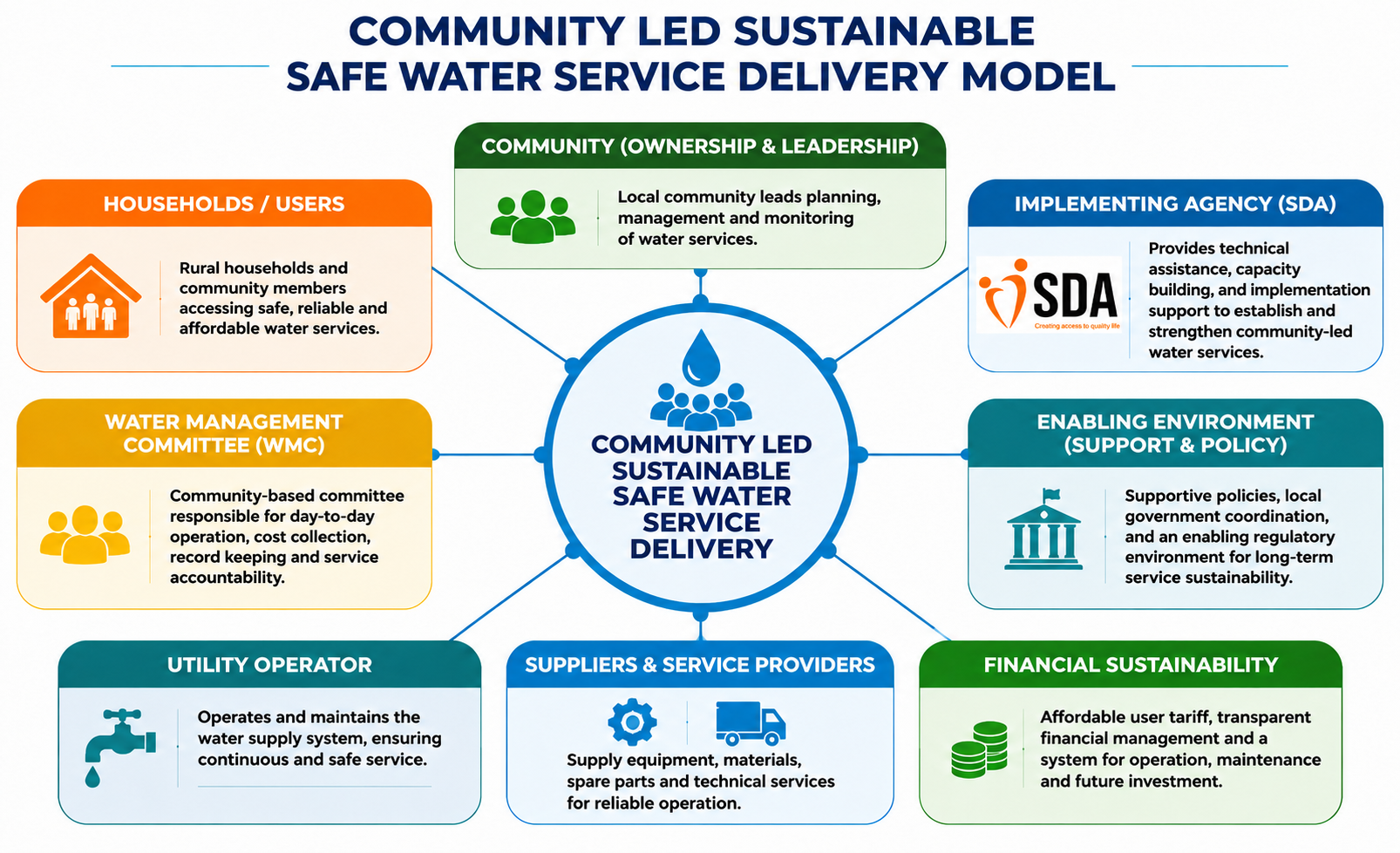
INVESTMENT
Community and development partners share the role of enabling infrastructure and service delivery.
INFRASTRUCTURE
Solar-powered pumping, water storage and piped distribution, with source monitoring.
CONNECTIONS
Convenient access through household-level taps and transparent metering and billing.
SERVICE DELIVERY
Customer care, tariff collection, maintenance and community engagement.
Development in Action: Building Sustainable Water Services
Sustainable water development requires more than installing infrastructure. It needs locally appropriate technology, capable service providers, community participation and long-term operation and maintenance.
A community-led approach can strengthen services through operations, customer service, transparent billing and responsible revenue management while keeping safe, affordable water and community benefit at the centre.
Enable infrastructure, innovation and inclusion—especially where communities face affordability barriers.
Organise service delivery, customer care, billing, maintenance and responsible business operations.
Provide reliable, affordable and accountable access to safe water over the long term.
The goal is a dependable service that communities can rely on, supported by affordable tariffs, capable local operations, regular maintenance and inclusive access for vulnerable households.
What We Will Discuss
Climate & coastal water
Salinity, seasonal risks and reliable sources.
Affordability & financial viability
Tariffs, cost recovery and protecting vulnerable users.
Smart and solar solutions
Renewable energy, metering and efficient operations.
Private sector & social enterprise
Responsible investment with a clear social purpose.
Operation & maintenance
Local capacity, accountability and service continuity.
Rights, inclusion & partnerships
Equitable access, community voice and collaboration.
Expected Outcomes
- Practical lessons on sustaining rural water services beyond infrastructure installation.
- Recommendations for responsible private-sector investment and social enterprise partnerships.
- Ideas for balancing affordable tariffs with reliable operation and maintenance.
- Stronger attention to inclusion, community accountability and climate resilience.
- Opportunities to replicate and adapt effective water service models in underserved coastal areas.
Who Should Join?
Government agencies • Development partners • NGOs and civil society • Private sector and social enterprises • Water service providers • Financial institutions • Researchers • Policymakers • Climate and WASH practitioners
Be part of a practical exchange on how coastal communities can gain lasting access to safe water through inclusive, climate-resilient and financially sustainable services.
Speakers
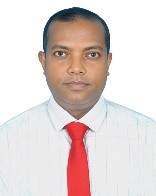
Mr. Saikat Mazumder Saurav (MA, PGD HRLA, HRM) is an experienced development management professional with more than 20 years of experience in Bangladesh and abroad. His work includes programme development and management, with a focus on vulnerable coastal communities and WASH, health, education and protection. He has extensive experience in programme design, partnership building with UN agencies, INGOs, national NGOs and local and international networks, and developing sustainable solutions suited to local contexts—especially safe water.
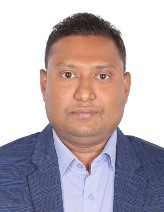
Mr. Md Ashraful Alom (MDS, BSc in Civil Engineering) is a water resources management professional with more than 10 years of experience. His expertise includes water resource management, climate resilience, sustainable water business models and community-based water solutions, particularly in coastal Bangladesh. As Coordinator- WASH at SDA, he focuses on sustainable, climate-resilient water management initiatives that improve access to safe water and strengthen vulnerable coastal communities.
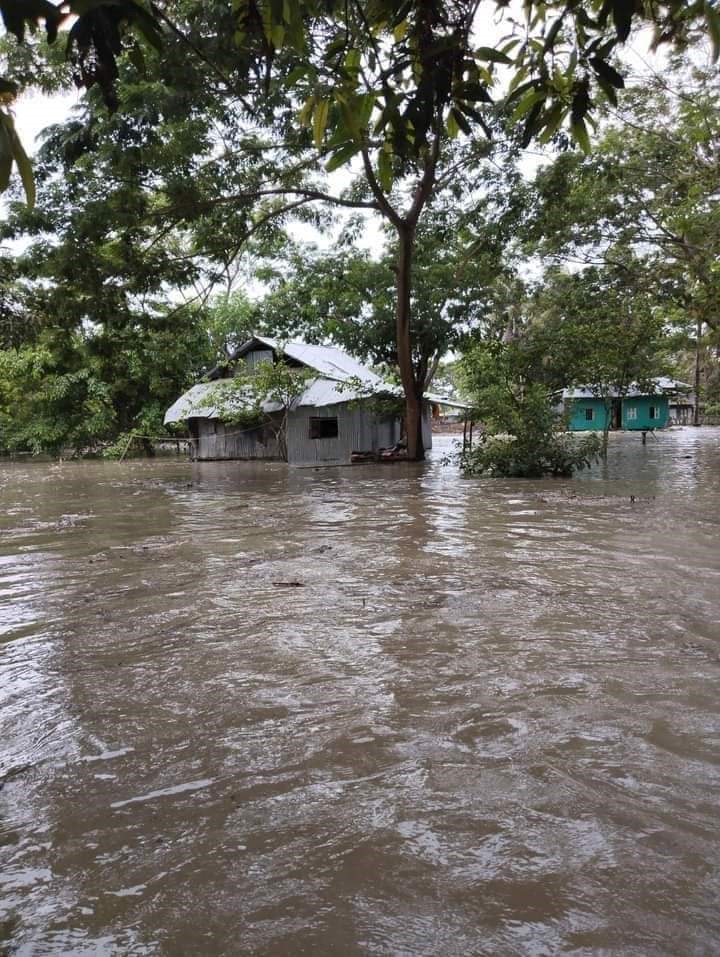
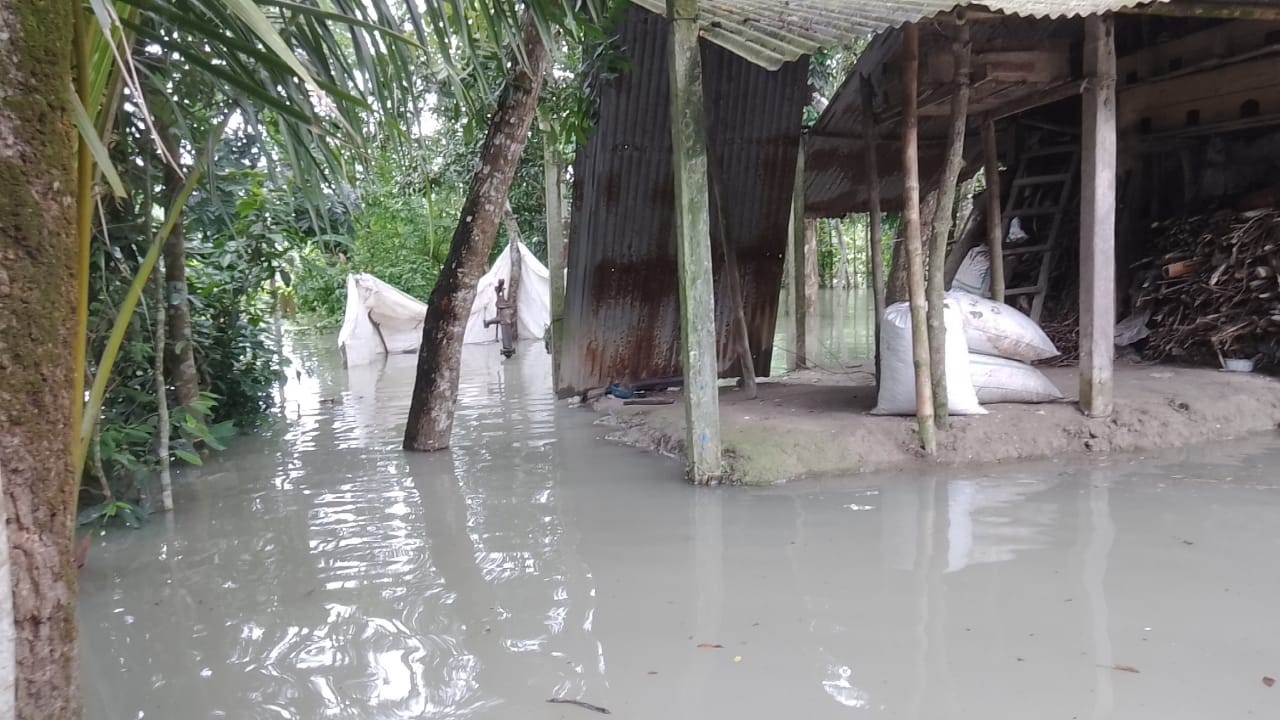
Coastal Adversity
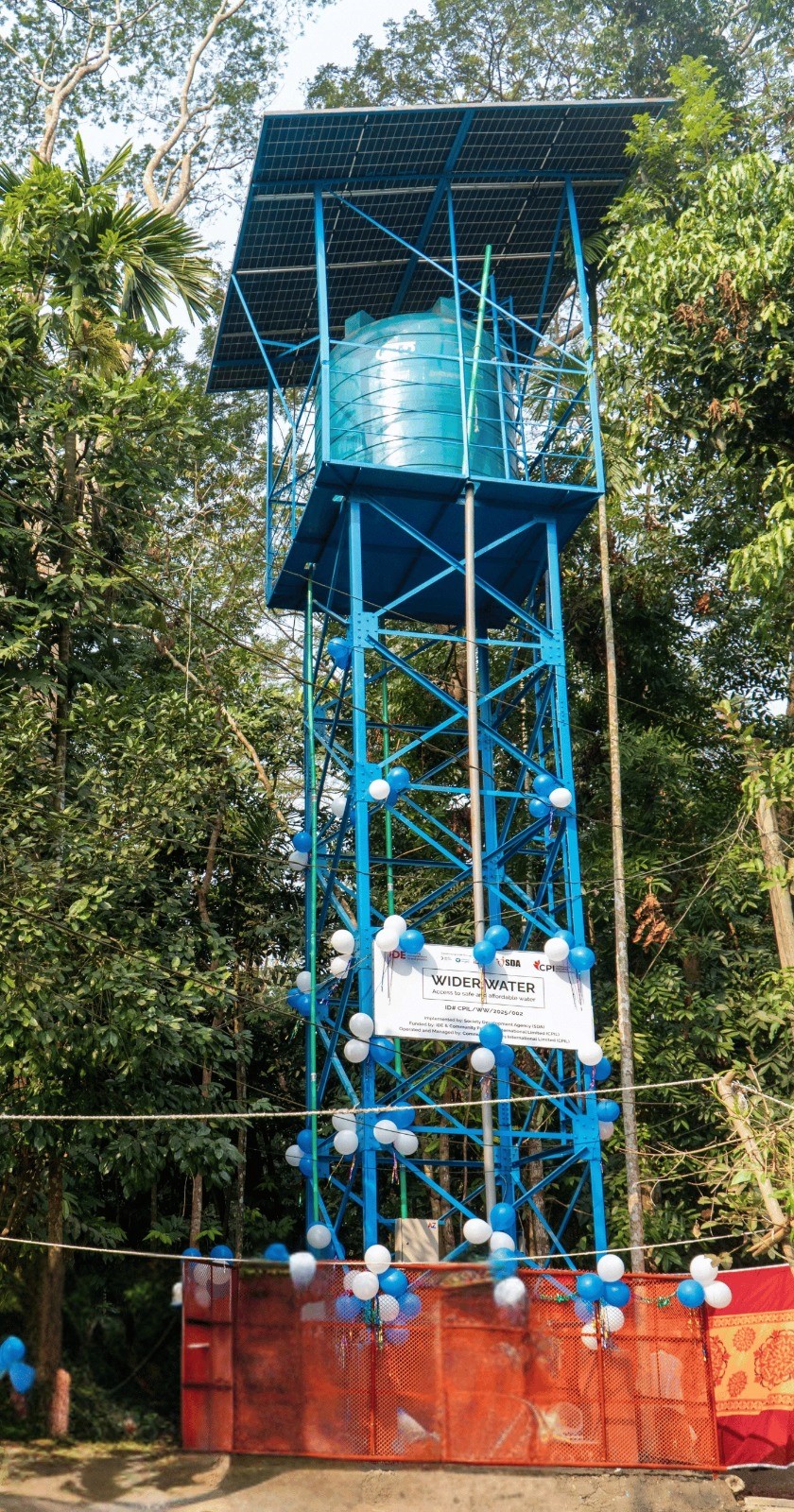
Current Solutions
Event Details & Registration
| Date | 09 December 2026 |
|---|---|
| Time | 03:00–06:00 GST (UTC+4) |
| Platform | Virtual via Zoom. The joining link will be emailed to registered participants. |
| Registration | Complete the registration form below |
Organised by Society Development Agency (SDA), Bangladesh
Contact: sdabd.org@gmail.com | Website: https://sdabd.net
Register for the event
Complete the form below to register. SDA will email a confirmation to the address you provide. The Zoom joining link will be shared with registered participants. Your information will be used to manage registration and send event-related information.
For questions, contact sdabd.org@gmail.com.
Questions About the Event
When will the event take place?
The event is scheduled for 09 December 2026, from 03:00 to 06:00 GST (UTC+4).
How will I join the event?
The event will take place virtually via Zoom. The joining link will be emailed to registered participants.
How can I register?
Complete the registration form above with your name, email, organization and country.
Who can participate?
Government agencies, development partners, NGOs, civil society, private-sector organizations, water service providers, financial institutions, researchers, policymakers and climate and WASH practitioners are welcome.
Can I ask a question or reply to another participant?
Yes. Use the public comment area below. Comments and replies on this event page will be visible to visitors.